When Off-the-Shelf Won't Do: Inside the Custom Details That Define a Lane McNab Interiors Project
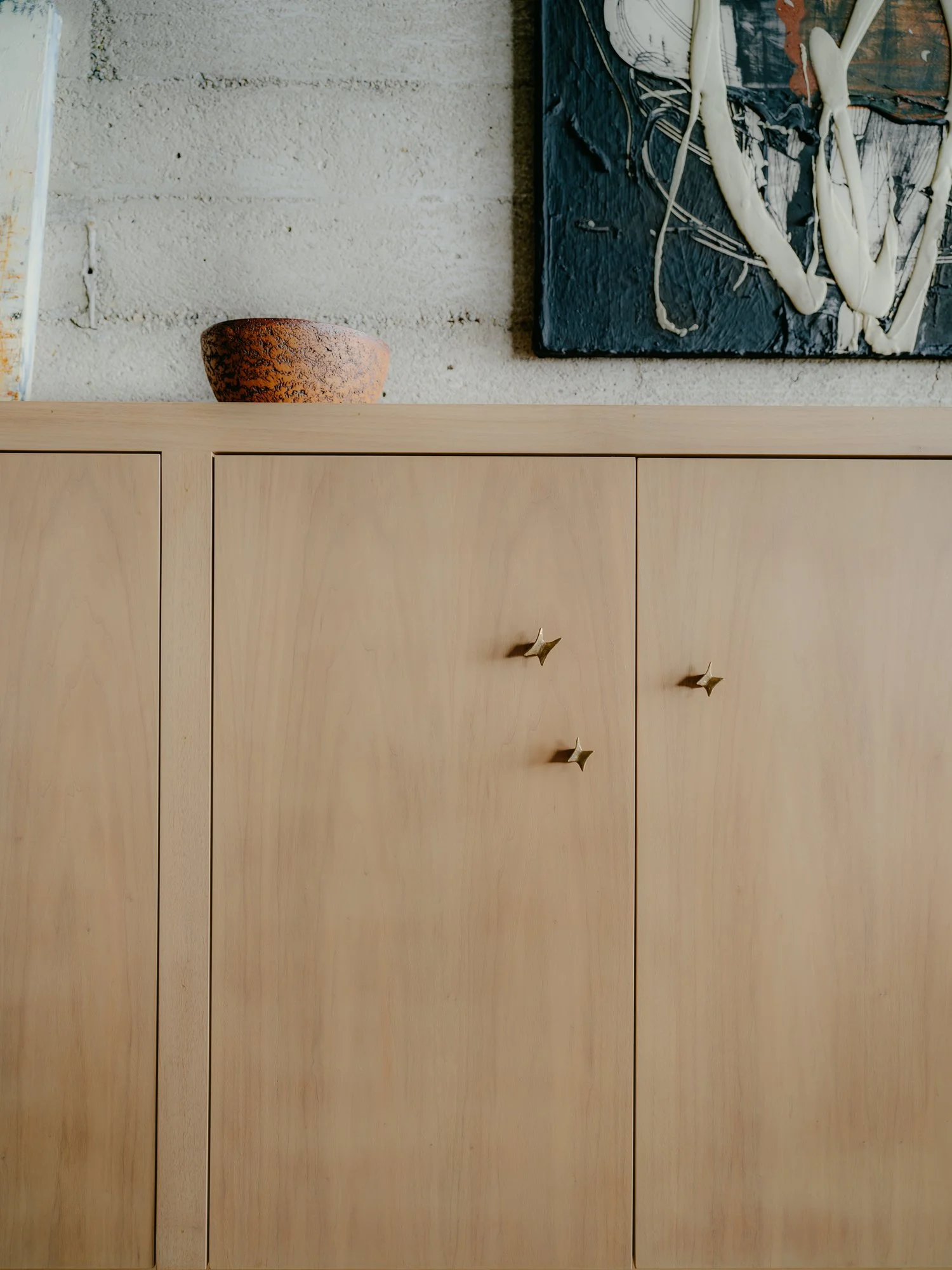
Every home is already telling a story before we begin designing it.
A Spanish Mediterranean home asks for something different than a contemporary new build. A historic Craftsman has different proportions, details, and rhythms than a newly constructed residence. The architecture creates a framework, and good design responds to it.
That's one of the reasons custom design is so central to our work. The goal isn't to force a signature style into every project. It's to create spaces, furnishings, and details that feel connected to the home itself.
Over the years, that approach has shaped everything from custom rugs and cabinetry to the pieces we create through GUILD by LMI, including the recently launched Rebecca Footstool.
Why Everything We Do Is Custom
Every project begins with the architecture.
The original details of a home provide clues about what belongs and what doesn't. A 1920s Spanish Mediterranean residence in the East Bay Hills speaks a very different design language than a modern home built a century later. Our role as interior designers is to listen to that language and build upon it.
That often means moving beyond standard, off-the-shelf solutions.
Custom design allows us to create spaces that feel integrated rather than decorated. Whether we're designing built-in cabinetry, commissioning a custom dining table, or tailoring a rug to fit a room's exact proportions, the goal is always the same: creating a home that feels cohesive, intentional, and authentic to the people who live there.
It's also why our portfolio spans a wide range of architectural styles. We've designed historic renovations, Spanish Mediterranean homes, Craftsman residences, contemporary homes, and transitional interiors. The common thread isn't a specific aesthetic. It's a commitment to creating homes where every decision feels like it belongs.
Where the Custom Conversation Usually Begins
Despite what many people assume, custom design rarely begins with a desire to create something one-of-a-kind. More often, it starts with a practical problem.
Rugs are one of the clearest examples. In our practice, we customize the dimensions of most rugs because standard sizes rarely fit a room properly. Furniture layouts, circulation paths, and architectural constraints all influence what the ideal dimensions should be.
The same applies to cabinetry designed around angled walls, islands that improve sightlines between rooms, or furniture scaled specifically for the way a family lives and entertains.
Custom solutions aren't about making things more complicated. They're about solving problems thoughtfully.
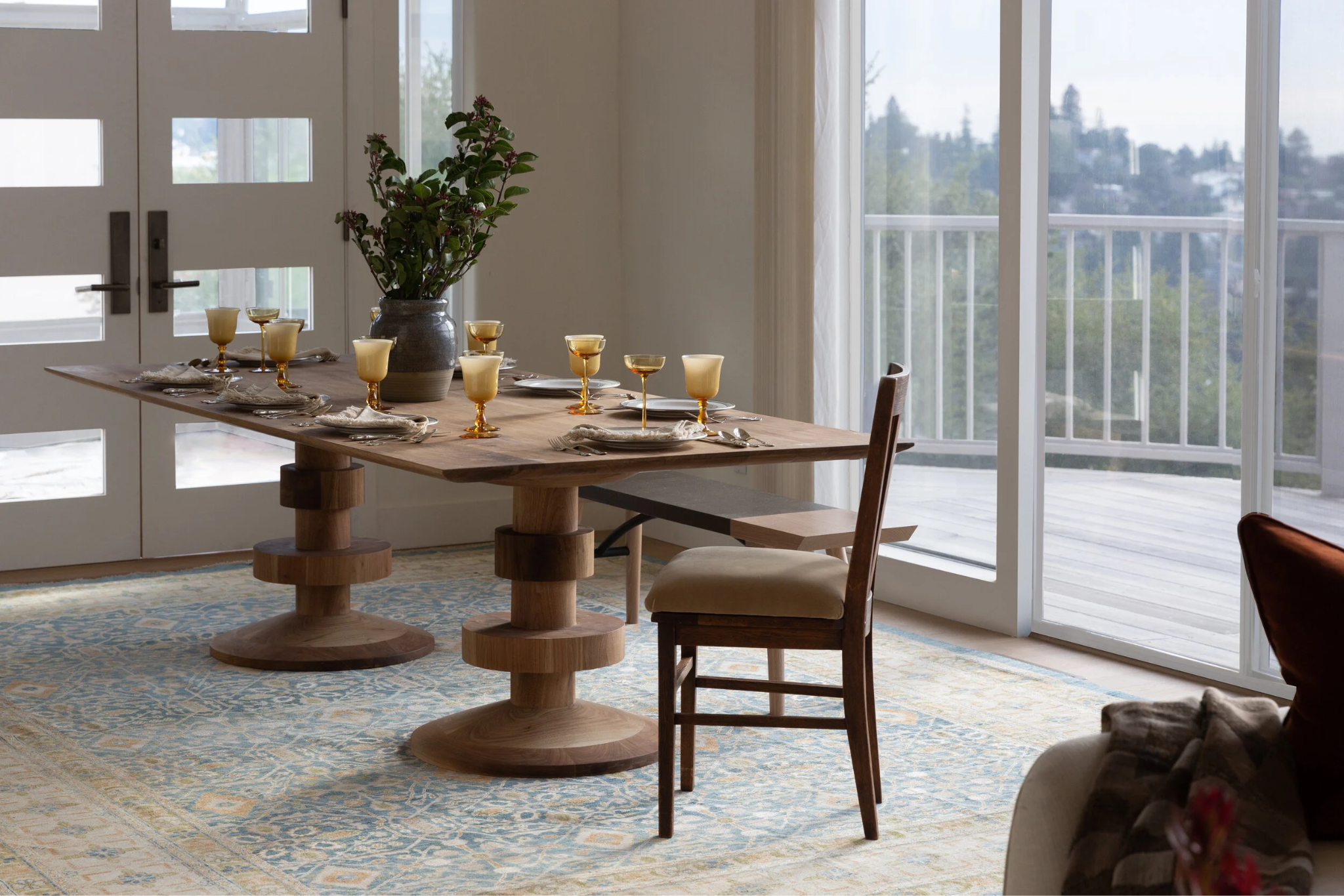
A handcrafted dining table by GUILD by LMI, designed to complement the home's architecture and daily living
What I tell Clients About Cost
One of the biggest misconceptions about custom furniture and custom interiors is that they're automatically more expensive.
In reality, custom design is often a value conversation rather than a price conversation.
When clients are comparing a custom piece to a retail alternative, we look beyond the initial cost. We discuss construction quality, materials, longevity, functionality, and how the piece will perform over time. Not everything that carries a high price tag is well-made, and not every custom solution costs more than a manufactured one.
A well-designed custom piece can serve a family for decades while fostering a stronger connection to the home itself. The right investment often eliminates the need to replace, upgrade, or work around compromises later.
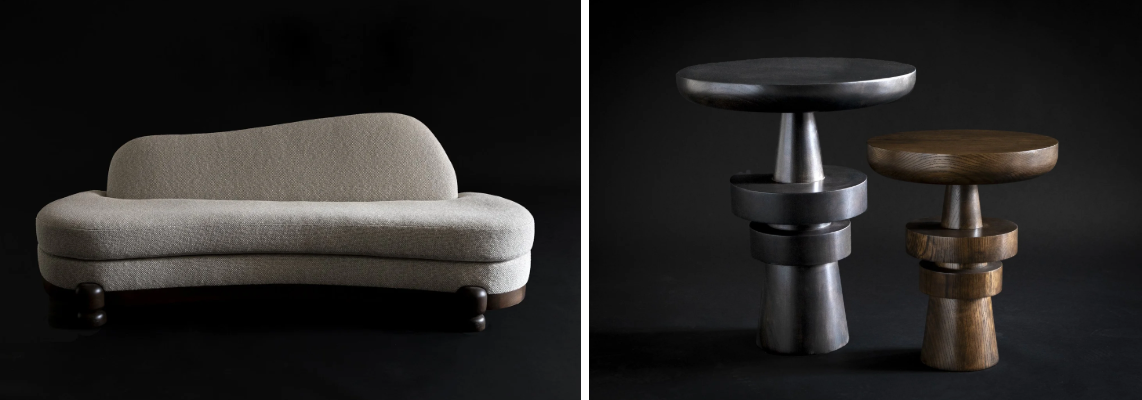
The Heart Sofa and Monument Side Tables by GUILD by LMI, handcrafted in California.
Why I founded GUILD by LMI
GUILD by LMI grew out of a challenge I encountered repeatedly as an interior designer.
I knew what a project needed. I could see the proportions, materials and details clearly. But when it came time to source the piece, it often didn't exist.
After years of commissioning custom furniture for clients, I began asking a simple question: Why aren't these pieces already available?
The answer became GUILD by LMI.
Handcrafted in California by skilled artisans, the collection reflects the same values that guide our interior design work: exceptional craftsmanship, thoughtful materials, timeless forms and the ability to customize when a project calls for it.
The Rebecca Chair is a perfect example. Its sculptural silhouette, handcrafted construction, and customizable options allow it to adapt to a variety of homes while maintaining a strong design identity. The recently introduced Rebecca Footstool extends that philosophy, offering a versatile companion piece designed to evolve alongside the homes and families that use it.
For larger case goods such as dining tables, customization becomes even more expansive. Shapes, dimensions, finishes, and construction details can all be adjusted to suit the architecture and needs of a specific project.
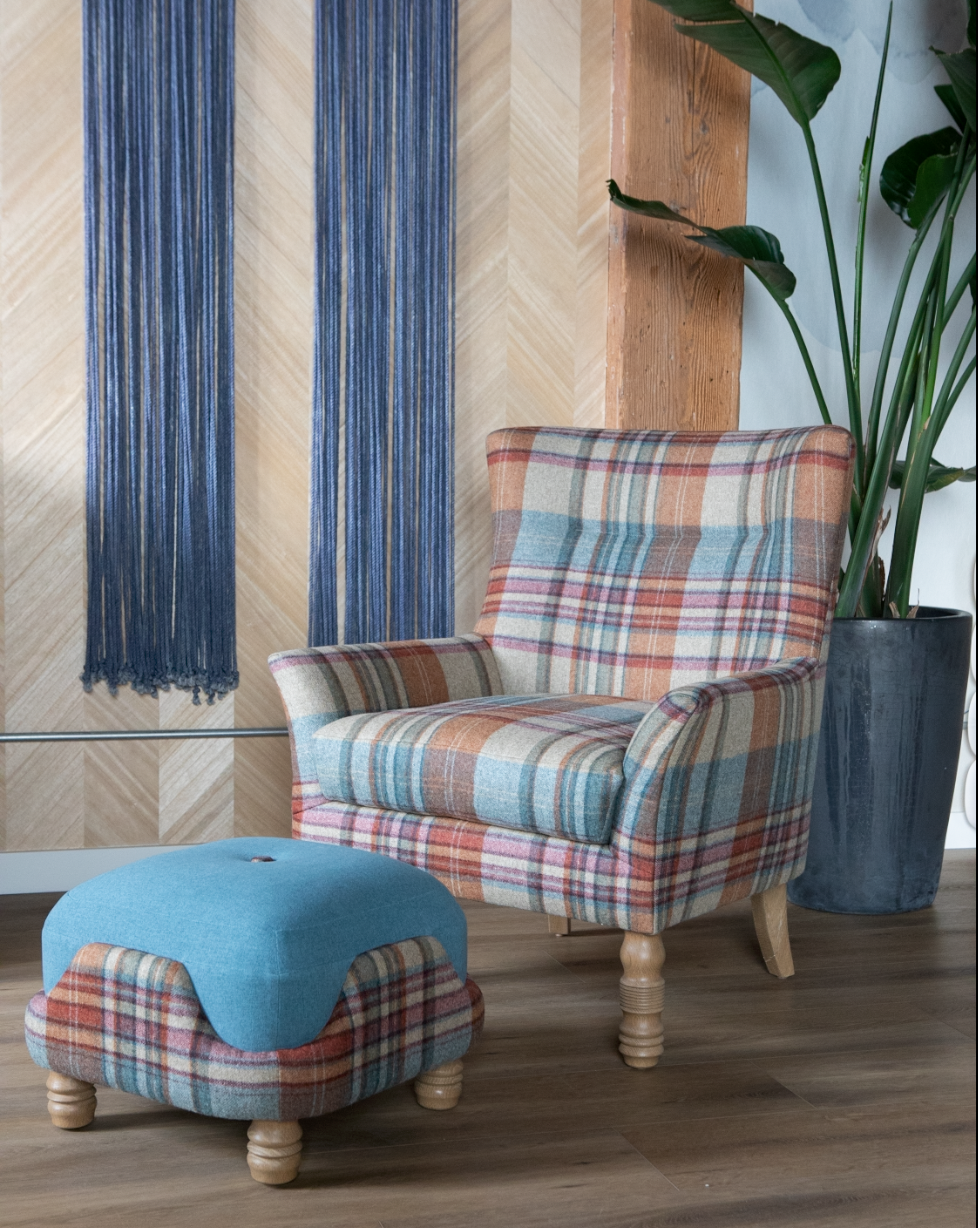
The Rebecca Chair and newly launched Rebecca Footstool by GUILD by LMI, handcrafted and fully customizable.
Collaboration Behind Custom Design
Exceptional custom furniture and interiors don't happen in isolation.
They are the result of collaboration between clients, designers, artisans, and tradespeople.
With clients, the process often begins with helping them articulate what they want their home to feel like. Sometimes that conversation starts with photographs. Other times it begins with materials, colors, or experiences they want to create for their family.
From there, our design team translates those ideas into something tangible.
The same collaborative process continues with makers and craftspeople. Years of experience create a shared understanding of what's possible and how to push a design further while respecting the expertise required to bring it to life.
Some of the most rewarding projects are those that challenge everyone involved to create something they haven't seen before.
What Custom Looks Like Over Time
There's a phrase I come back to when I talk about this work: aesthetic linguistic threads. A well-designed home tells a coherent story, from the architecture to the finishes to the furniture, and the best custom pieces carry that story without interrupting it.
I don't design for trends. That means the pieces I commission, whether a custom bed, a built banquette, a bespoke rug, or a GUILD dining table, aren't trying to look current. They're trying to look right. Right for the home, right for the client, right for the way the family lives in it.
The homes I'm most proud of don't look like a particular moment. They look like the people who live in them. And that's more available at more price points than most people assume when we first start talking.
If you're renovating and wondering whether any of this applies to your project, I'd love to talk through it.